
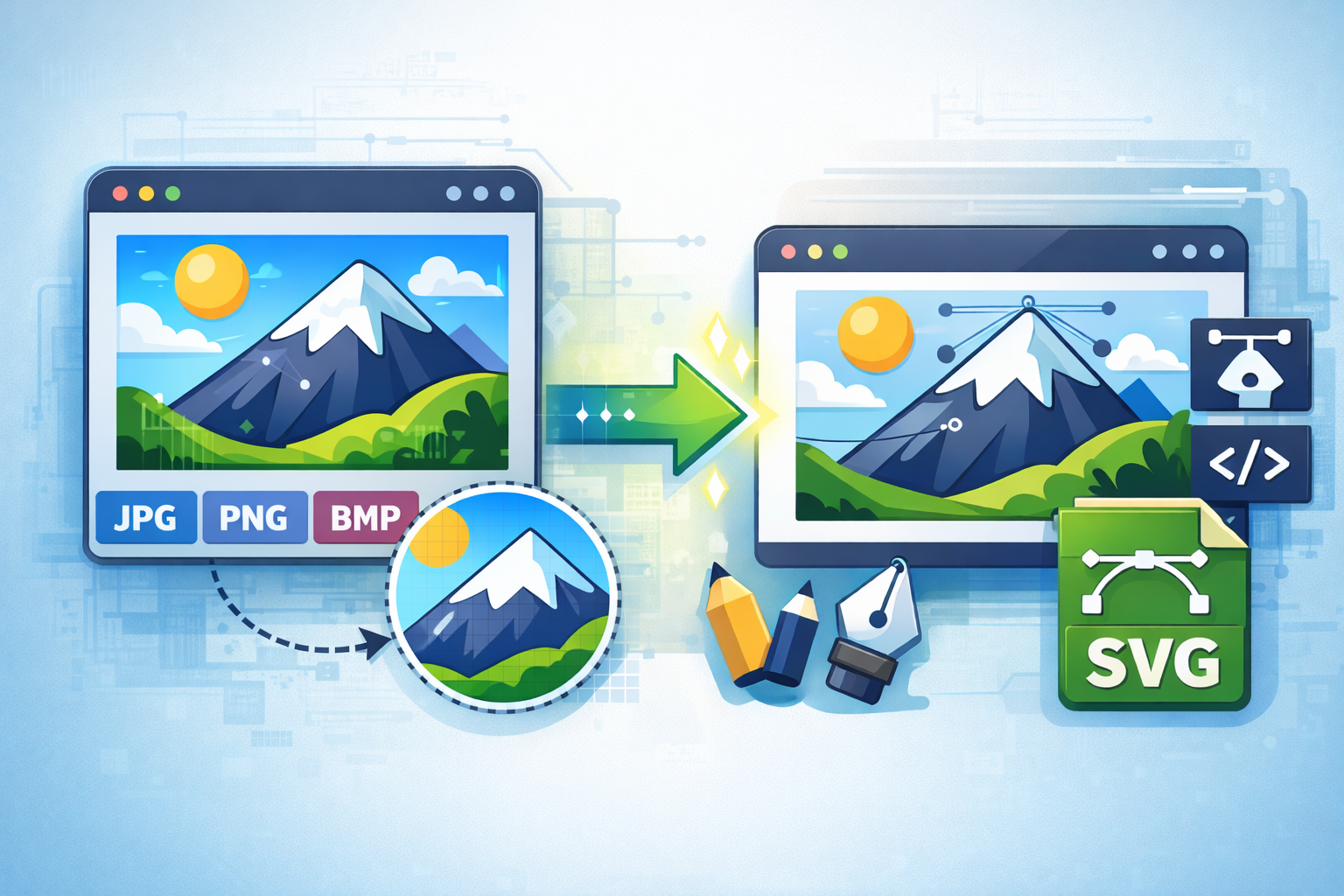
Introduction to Image Optimization
Images play a significant function in modern websites. They grab attention, send messages quickly, and can make images visually attractive. However, unoptimized and large images can slow websites down and impact performance negatively. This is precisely the reason why image optimization is crucial for websites..
Image optimization refers to the procedure of reducing size, while preserving the acceptable quality of images. If done properly it increases page speed as well as improves user experience and improves search engine rankings.
In today’s highly competitive digital world speeds and speed are crucial ranking elements. Search engines like websites that load fast and provide a seamless navigation experience. Because images typically comprise greater than 50% of a page’s overall size, optimizing their sizes becomes crucial.
Bloggers, companies as well as developers all get the benefit of optimized photos. Speedier loading websites decrease bounce rates, boost engagement, and increase conversion rates.
Simply stated, if your website is dependent on images, and most do, image optimization isn’t an option it’s essential.
To gain a deeper understanding of how to optimize the performance of your website You can look up sources that come from Google PageSpeed Insights:
https://developers.google.com/speed/pagespeed/insights/
What Is Image Optimization?
Image optimization is the process of adjusting and delivering images with an efficient way size resolution and compression levels without compromising visual quality.
Key Elements of Image Optimization
Many factors influence image optimization.
- Compression Reduces file sizes without affecting the quality in any way
- Format Selection: Using formats like WebP, JPEG, or PNG in a way that is appropriate.
- Resizing images: Displaying images in the correct dimensions
- Lazy Loading Images are loaded only after users have scrolled over them.
- Alt Text Optimization Search engines comprehend images
Lossy vs Lossless Compression
Two main compression techniques exist:
| Type | Description |
|---|---|
| Lossy Compression | Removes certain image information to reduce the size of files |
| Lossless Compression | Reduces data without sacrificing quality |
Lossy compression generally produces smaller files, whereas lossless compression retains all the details.
Common Image Formats
A few of the most commonly used web image formats are:
- JPEG is Excellent for photos
- PNG – Ideal for transparency
- WebP Modern format with higher compression
- SVG is perfect for vector graphics and logos
Choosing the right format is an important aspect of optimizing images.
Why Image Optimization Is Important for Websites
Understanding the reasons behind Image Optimization is important for websites assists website owners in making better design and performance choices.
1. Faster Page Load Speed
The speed of websites is one of the most important factors that affect the user experience. Large images can significantly slow down the time it takes to load a page.
Optimized images can reduce the size of data and allow pages to load quicker.
Pages that load quickly can result in:
- Better user engagement
- Lower bounce rates
- Increased SEO rankings
2. Improved Search Engine Rankings
Search engines prefer websites that have excellent performance.
Image optimization helps improve:
- Core Web Vitals
- Page speed scores
- Mobile performance
All of these factors contribute to improved search visibility.
3. Better User Experience
The majority of users expect websites to load in minutes. Websites that are slow frustrate users and turn them off.
Optimized images allow pages to load quickly, resulting in an enjoyable experience for browsing.
4. Reduced Bandwidth Usage
Optimized images require less data, thereby reducing the amount of bandwidth consumed.
This is crucial because:
- Mobile users
- Websites that are highly-trafficked
- Control of hosting costs
5. Higher Conversion Rates
A website that loads quickly builds confidence. If pages load quickly and smoothly, users are more likely to
- Stay longer
- Explore more pages
- Complete purchase
A one-second delay could slow conversions.
Impact of Image Optimization on SEO
The search engine optimization (SEO) is a huge benefit of image optimization.
Image Search Visibility
Optimized images may appear on search pages, thereby increasing the amount of organic traffic that is generated by image search.
To improve image SEO:
- Use descriptive filenames
- Add keyword-rich alt text
- Include captions if necessary.
Core Web Vitals Performance
Google’s Core Web Vitals focus heavily on speed of pages and the stability of layouts. Images that are large can negatively impact these measurements.
Optimized images aid in improving:
- Largest Contentful Paint (LCP)
- First Input Delay (FID)
- Cumulative Layout Shift (CLS)
Mobile SEO Benefits
Most users browse on mobile devices. Images with large sizes slow mobile websites significantly.
A proper optimization will ensure quicker loading times for mobiles and higher rankings.
Key Techniques for Image Optimization
There are a variety of proven techniques to maximize images in a timely manner.
Resize Images Before Uploading
Never upload photos that are larger than the size required.
For instance:
- Blog images: approximately 1200px wide
- Thumbnails: 150-300px
- Full-width banners: 1920px maximum
Use Next-Generation Formats
Modern formats such as WebP offer smaller file sizes and excellent quality.
Benefits include:
- Faster loading
- Bandwidth reduction
- High-quality visual quality
Enable Lazy Loading
Lazy loading causes delays in loading images until users click to that section.
Benefits include:
- Quicker loading of the page
- Consumption of less resources
- Performance scores improved
Implement Responsive Images
Images that respond to screen size. the size of the screen.
This will ensure that:
- Mobile users load smaller images
- Desktop users get high-resolution versions
Best Tools for Image Optimization
Several tools help automate image optimization.
Online Compression Tools
The most popular tools are:
- TinyPNG
- ImageOptim
- Squoosh
- Compressor.io
These tools can reduce the size of files without any significant quality loss.
WordPress Image Optimization Plugins
To WordPress customers, the plugins ease the procedure:
- ShortPixel
- Smush
- Imagify
- EWWW Image Optimizer
The images are automatically compressed when they upload.
CDN-Based Optimization
Content Delivery Networks such as Cloudflare and BunnyCDN provide automatic image optimization.
The features include:
- Dynamic Resizing
- Conversion to WebP
- Global delivery optimization
Common Image Optimization Mistakes
Many websites make simple optimization mistakes.
Uploading Large Images Directly
The uploading of images directly from libraries or cameras result in unnecessary huge files.
Always adjust the size of images prior to uploading.
Ignoring Alt Text
Alt text enhances accessibility and improves SEO. Incomplete alt text can result in missing opportunities to rank.
Using the Wrong File Format
Utilizing PNG to save large photos drastically increases the size of your files.
Select the right format:
- Photos – JPEG/WebP
- Graphics – PNG/SVG
Over-Compressing Images
The excessive compression results in visual quality loss and a an unsatisfactory user experience.
Adjust file size and clarity.
Advanced Image Optimization Strategies
Professional websites use sophisticated strategies to improve performance.
Content Delivery Networks (CDN)
CDNs distribute images across global servers.
This guarantees speedier delivery, regardless of the user’s the location.
Image Sprites
The combination of multiple images into one sprite helps reduce HTTP requests.
This technique is widely employed for creating icons.
Adaptive Image Delivery
Certain systems automatically recognize the speed of connection and device used by the user to provide optimized images.
How Image Optimization Improves Website Performance
Optimized images positively impact several performance indicators.
Reduced Page Weight
Images typically comprise 50-70% of a page’s size. Optimization drastically reduces page weight.
Improved Server Response
Smaller images use less processing on the server and bandwidth.
Better Mobile Performance
Mobile networks differ in speed. Images with smaller size allow for smooth browsing, even with slow connections.
Future of Image Optimization
Image technology is constantly changing.
AI-Based Image Compression
Artificial intelligence tools can enhance images with precision without compromising quality.
Next-Generation Formats
New formats like:
- AVIF
- JPEG XL
have even higher compression ratios over WebP.
Automated Optimization Platforms
The latest website builders are increasingly incorporating automated features for optimizing images.
Frequently Asked Questions (FAQs)
1. How can image optimization be used? SEO?
Optimization of images in SEO is cutting down on image size, deciding on appropriate formats and including descriptive alt text in order to boost the performance of websites and increase search engine visibility.
2. What is the importance of image optimization for websites?
The reason image optimization is important for websites is in enhancing speed of pages, improving the user experience, decreasing bandwidth consumption, and improving the search engine ranking.
3. What is the most suitable image format for web pages?
WebP is currently among the top formats due to its superior compression and excellent image quality.
4. Does image optimization affect website speed?
Yes. Images are typically the biggest images on a website optimizing them dramatically speeds up loading time.
5. What tools can help optimize images?
Tools such as TinyPNG, Squoosh, ImageOptim and WordPress plugins like Smush or ShortPixel are widely employed.
6. Image optimization can improve conversions?
Absolutely. Websites that are faster create more enjoyable user experiences. This boosts engagement and improves the rate of conversion.
Conclusion
Understanding the reasons behind why Image Optimization is important for websites is crucial for anyone who runs a site. Images can be a powerful tool to engage and tell stories however, they should be used in a responsible manner to ensure that they don’t slow down your website.
Optimized images deliver multiple benefits:
- Faster page loading
- More SEO-friendly performance
- Improved user experience
- Lower bandwidth consumption
- Higher conversion rates
Implementing proper methods like compressing, resizing and modern formats as well as lazy loading site owners can greatly enhance overall performance.
Image optimization isn’t an improvement in technology, it is an essential element of the development of websites and digital marketing strategies.